
St. Patrick’s Day has come and gone. A lot of fuss goes into a day we seem to hardly know about. We joke, wear green, and say sayings like, “Top of the mornin’ to ya!” on St. Patrick’s Day. It’s just an ordinary day for many people, it’s a party for others, and it’s a bother for those not wearing green around those who take things seriously!
Occasionally, it’s good to ask why we do what we do. Sometimes it’s healthy to just ask simple questions about origins of holidays. On this day, many ask the question, “Who was this Patrick?”
Around 400 A.D., Patricius, (Patrick) was a boy in what would later become northeast England. He was of the “Britons,” one of the “Celtic” groups of people who populated the British Isles. Since Rome occupied the area, there was a great Roman influence. Patrick’s family was wealthy, and he was probably well-educated. His family was Christian, but Patrick was not especially devoted as a child, although his father and grandfather were highly involved in the Catholic church.
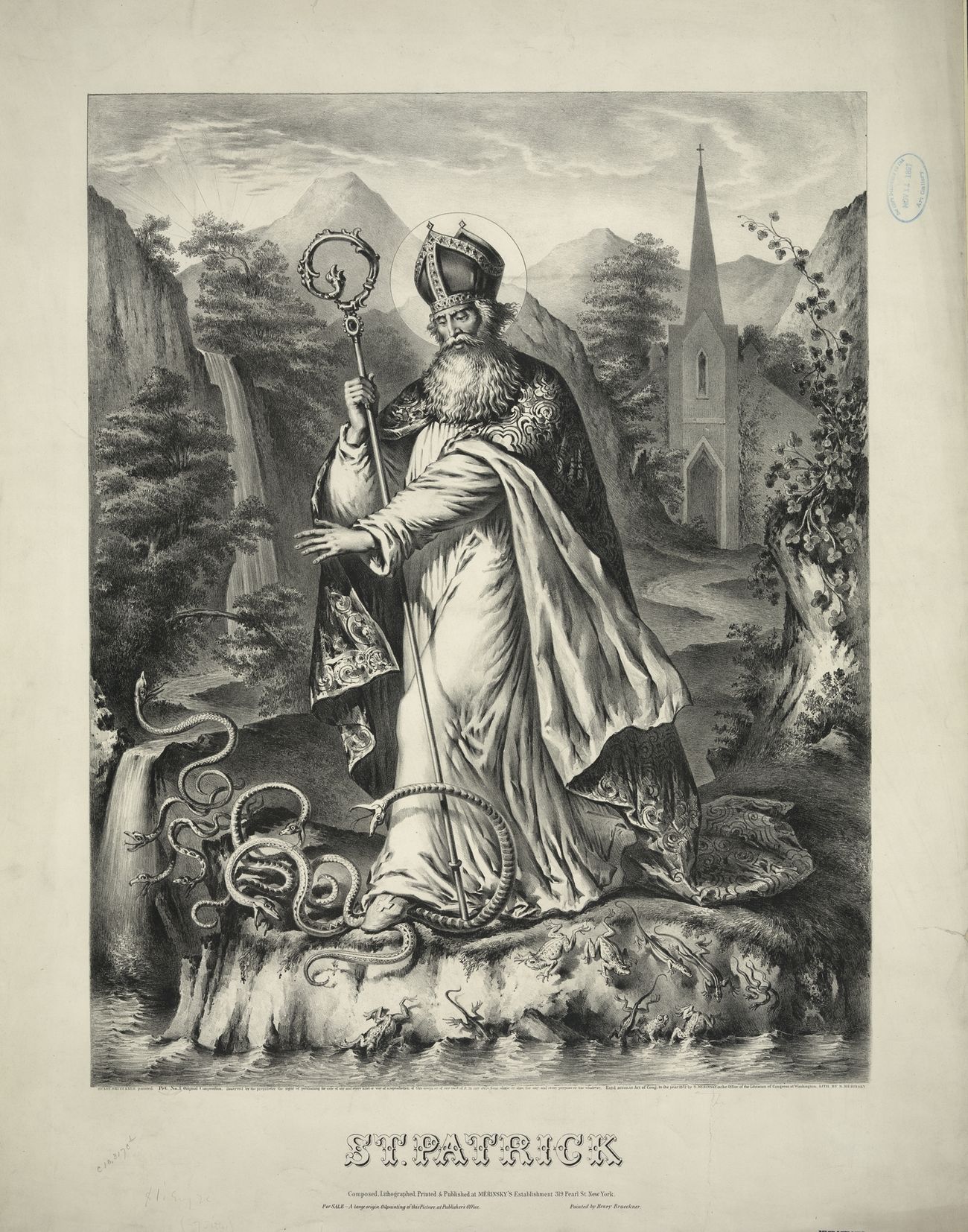
At around age sixteen, Patrick was kidnapped by a band of Irish pirates and sold into slavery in Ireland. He found himself belonging to a tribal chief and Druid named Miluic who worked Patrick herding his cattle. Patrick settled in Ireland for the next six years. It was during his time among villagers and cattle that he truly became a committed Christian, praying to God earnestly during long days and nights while pasturing cattle. He changed. The change in his life was noticeable to his captors. He was concerned with them individually. He began learning Irish customs and loving the culture. He understood the people and sought to love them and identify with them. He began seeking to share the love of God with them.
One night, while sleeping, he heard a voice in his dreams declaring his freedom and saying, “Your ship is ready!” He awoke and walked to the coast, saw a ship, and talked his way on board. He traveled far from Ireland, eventually trained in the Scriptures, and finally served as a priest in England for seven years.
Again, one night in a dream, Patrick became concerned for his former captors in Ireland. He saw letters bidding him to return to them and “walk among” them. He awoke and made plans to go to Ireland as the first missionary there with a team of workers. Those who worked to evangelize the British Isles did not follow the typical pattern of evangelism of that day. Patrick and his company did not seek to change the culture and civilize the barbarians before modeling and teaching Christianity. They worked within the social and cultural structures already present among the people and utilized ways of thinking and belief systems to find bridges to presenting the Gospel after they had found community and common ground through presence and service among the tribes. In short, they earned the right to share the Gospel by modeling in community and culture.
They sought to respect the people living there. This approach won the favor of the leaders. The leaders granted them travelling privileges and safe passage. The Gospel rapidly spread throughout the region. After a group of people received it, churches were built in each community. The missionaries lived alongside the citizens. This difference allowed for a display of Christian community from the clergy as part of everyday life. They established mutual accountability and a prayer partner for every believer to aid in discipleship. They practiced generous hospitality, a practice which spread through each community. Additionally, rather than abolish old symbols of paganism, the missionaries used them to explain the things of God in a palatable way, since the barbarians understood the concept of a higher power and were open to understand that deity utilizing their existing symbols and cultural beliefs.
This Celtic way of Patrick’s enabled him to be authentic and loving. Formerly, the way of evangelizing an area or a people was to civilize them, changing their culture to fit the certain patterns of society determined by those who sent the missionaries. This way failed. Patrick lived with the people, loved the people, identified with the people, and exhibited the truth of Jesus among them.
Patrick returned to a place he had been enslaved to conquer Ireland for Christ. He diligently worked to invite his captors to become brothers and sisters with him in the Kingdom of God. He became the Apostle of the Irish. Free, ordained, and educated he could easily have been unapproachable and aloof. He could have avoided going back to a place where he had been a slave. He didn’t though, he remained humble and loving. The only “confession” that he claimed was “I, Patrick, a sinner.” One famous quote from this inspirational evangelist is:
Christ be with me, Christ within me,
Christ behind me, Christ before me,
Christ beside me, Christ to win me,
Christ to comfort and restore me.
As you wear green, pinch people not wearing green, sport shamrocks, and speak with imitation accents, remember the story of the true St. Patrick. May we all be as intentional, loving, humble, and sincere as him. May we live in true community, caring for one another enough to know each other and seek God’s best for everyone. Happy St. Patrick’s Day.
 kevingarrett.org
Thanks, Kevin! This was a great reminder for me.
LikeLike